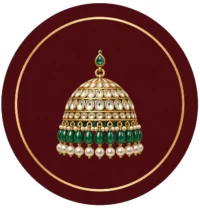
A bridal gold set is the centrepiece of a Pakistani bride’s look — and in 2026, the most loved designs are not solid gold at all, but beautifully crafted gold-tone Kundan and artificial sets that look just as rich. This guide covers the most popular bridal gold set designs for 2026 and how to choose the one that suits your Barat and Walima looks.
What Is a Bridal Gold Set?
A bridal gold set is a complete matching jewellery set in a gold tone, usually including a necklace, earrings, tikka, jhoomar, and bangles. Traditional sets are made in real gold; modern brides increasingly choose gold-tone Kundan or artificial sets that give the same look for a fraction of the price — and let them wear a different set for each function.
Most Popular Bridal Gold Set Designs in 2026
1. Classic Kundan Gold Set
The timeless favourite. Uncut stones set in gold-tone Kundan, usually with green and ruby accents.
- Best for: Barat — the grandest function, where the full traditional look shines.
- Includes: Choker or necklace, jhumkay, tikka, jhoomar, bangles, and often a nath.
- Why brides love it: It photographs beautifully and matches heavily embroidered red and maroon outfits perfectly.
2. Temple Gold Set
Inspired by South Indian temple jewellery, with detailed gold work, small deity motifs, and clusters of tiny stones.
- Best for: Brides who want an intricate, heritage look with a slightly different feel from classic Kundan.
- Pairs well with: Silk, jamavar, and traditional red or maroon lehengas.
3. Polki Gold Set
Polki uses uncut, unpolished diamonds — or in artificial sets, uncut-look stones — set in gold tone for a raw, royal glow.
- Best for: Brides who want a regal, Mughal-inspired look.
- Note: Polki sets look heaviest in photos, so balance them with simpler earrings if the necklace is very grand.
4. Modern Minimal Gold Set
A lighter, cleaner design — a single statement necklace, elegant earrings, and a delicate tikka, without the full heavy set.
- Best for: Walima, nikkah, or brides who prefer elegance over grandeur.
- Pairs well with: Pastel outfits, organza, and modern silhouettes.
- Why it is trending in 2026: Many brides now choose a grand Kundan set for Barat and a minimal gold set for Walima.
5. Antique Gold Set
An aged, slightly darkened gold finish that gives a vintage, heirloom feel.
- Best for: Brides wearing mustard, rust, or deep-toned outfits, and for those who love a vintage look.
- Pairs well with: Warm colours and traditional embroidery.
How to Choose Your Bridal Gold Set
Match the Set to Your Outfit
- Red or maroon outfit: Classic Kundan or polki in gold tone with green and ruby stones.
- Pastel outfit: A lighter gold set with pearls and white stones, or a minimal modern design.
- Mustard or rust outfit: Antique gold Kundan.
- Heavily embroidered outfit: A simpler set, so the outfit and jewellery do not compete.
Match the Set to the Function
- Barat: The grandest set — full Kundan or polki with tikka, jhoomar, and bangles.
- Walima: Softer and more elegant — a minimal gold set, pearls, or a lighter Kundan design.
- Mehndi: Colourful and playful — a lighter set with bright stones.
- Nikkah: Simple and graceful — a delicate gold set that suits a daytime ceremony.
Check Comfort Before You Decide
A bridal set is worn for hours. Before you finalise:
- Try the full set on with your outfit, not piece by piece.
- Check the weight: Heavy earrings and necklaces together strain the neck. Balance heavy and light pieces.
- Test the clasps and hooks: Every clasp should close firmly — a lost necklace mid-function is a nightmare.
- Check the stones: Kundan stones should sit firmly and evenly, with no loose settings.
Consider Your Hairstyle and Makeup
- An updo shows off earrings, tikka, and jhoomar — choose statement pieces.
- Loose hair hides earrings — keep them lighter and let the necklace lead.
- Warm gold tones suit warm makeup; if your makeup is cool-toned, consider a lighter gold finish.
Why Brides Choose Artificial Gold-Tone Sets
More and more brides in Pakistan choose gold-tone Kundan and artificial bridal sets — and for good reasons:
- A different set for each function: The cost of one real gold set buys several beautiful artificial sets.
- The same look in photos: Well-made Kundan sets look rich and traditional in wedding photography.
- No security worries: You can enjoy the day without worrying about wearing a fortune.
- Easy to match: You can pick the exact stone colours to match each outfit.
Common Mistakes to Avoid
- Buying the set before the outfit: Always finalise the outfit first — the neckline and colour decide the set.
- Choosing the heaviest set by default: Grand is not always better. The set should suit your face, neckline, and comfort.
- Wearing every piece at once: A tikka, jhoomar, nath, heavy necklace, and heavy earrings together can overwhelm the look. Edit down to a balanced set.
- Skipping a trial run: Wear the complete set with hair and makeup at least once before the wedding day.
FAQs
What is the best bridal gold set design for Barat?
A classic Kundan or polki gold-tone set with a full complement — necklace, jhumkay, tikka, jhoomar, and bangles — suits Barat best, especially with red or maroon outfits.
Are artificial bridal gold sets a good choice?
Yes. Well-made gold-tone Kundan sets look rich and traditional, cost far less than real gold, and let you wear a different set for each function.
How do I choose between Kundan and polki for my bridal set?
Kundan has a classic, colourful look with green and ruby accents; polki has a raw, royal glow with uncut-look stones. Kundan suits most outfits; polki suits brides who want a grander, Mughal-inspired look.
Can I wear the same bridal set for Barat and Walima?
You can, but most brides prefer a grand set for Barat and a lighter, more elegant set for Walima. Artificial sets make owning two sets affordable.
Shop Bridal Gold Sets
Explore our Bridal Jewellery Sets for complete gold-tone Kundan bridal sets, and browse the full collection on our Shop page — cash on delivery across Pakistan. New to Kundan? Start with our pillar guide: Multani Jewellery: The Complete Guide.