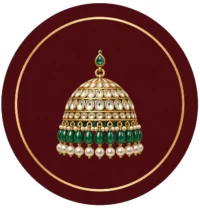
Gemstones have always been more than decoration in Pakistani weddings. Every stone in a bridal set carries a meaning — love, protection, prosperity, or blessings for the marriage ahead. This guide explains what the most popular wedding gemstones mean, where they appear in traditional jewellery, and how to choose the stones for your own bridal set in 2026.
Why Gemstones Matter in Weddings
In South Asian wedding traditions, jewellery is not just about looking beautiful. Bridal jewellery is believed to bless the bride, protect her, and mark the start of a new life. Gemstones are chosen for their colour, their symbolism, and their place in family tradition — and the same stones have been passed down through generations of brides.
- Symbolism: Each stone is linked to a wish for the marriage — love, health, wealth, or harmony.
- Tradition: Certain stones appear in specific ceremonies, like ruby for Barat and pearls for Walima.
- Family heritage: Many brides wear stones that belonged to their mothers and grandmothers.
- Colour harmony: Gemstone colours are matched to the bridal outfit, so the set and the dress tell one story.
Ruby: Love and Passion
Ruby is the most iconic wedding gemstone in Pakistan.
- Meaning: Deep love, passion, and a strong marriage. Ruby is said to protect the wearer and bring courage.
- Where it appears: Kundan bridal sets, choker sets, and tikka pieces, usually paired with gold-tone settings and green accents.
- Best for: Barat — ruby looks magnificent with red and maroon bridal outfits.
- Styling tip: A ruby Kundan set needs little else. Keep the other pieces simple so the ruby stays the star.
Emerald: Prosperity and New Beginnings
Emerald is the green stone of fresh starts.
- Meaning: Prosperity, growth, fertility, and good fortune. Emerald is linked to new beginnings — exactly what a wedding celebrates.
- Where it appears: Kundan necklace sets, jhumkay, and bangles, often combined with ruby for the classic red-and-green bridal look.
- Best for: Brides who want a traditional look with a touch of green against red or gold outfits.
- Styling tip: Emerald pairs beautifully with gold-tone Kundan and with pearls for a softer, more elegant finish.
Sapphire: Loyalty and Truth
Sapphire is the stone of commitment.
- Meaning: Loyalty, honesty, and lasting commitment — the qualities a marriage is built on.
- Where it appears: More often in modern bridal sets, engagement-style pieces, and Walima jewellery, where blue tones suit pastel outfits.
- Best for: Walima and nikkah, especially with powder blue, lavender, or ivory outfits.
- Styling tip: Sapphire works best in lighter sets. A blue-stone Kundan set with pearls looks refined rather than heavy.
Pearl: Purity and Calm
Pearls are the quiet classic of bridal jewellery.
- Meaning: Purity, calm, wisdom, and grace. Pearls are said to bring peace to the bride on a day full of excitement.
- Where it appears: Walima sets, nikkah jewellery, mala necklaces, and pearl-drop jhumkay.
- Best for: Walima and daytime ceremonies, where a soft, elegant look suits the mood.
- Styling tip: Pearls suit almost every outfit colour. A pearl mala with a gold-tone Kundan pendant is a timeless Walima choice.
Diamond and White Stones: Strength and Eternity
White stones — including cubic zirconia and American diamonds in artificial sets — stand for forever.
- Meaning: Strength, clarity, and an unbreakable bond. White stones are the modern symbol of “forever”.
- Where it appears: Bridal choker sets, tikka pieces, and contemporary Kundan sets with white-stone detailing.
- Best for: Brides who love sparkle, and for Walima sets that need to shine under evening lights.
- Styling tip: White stones go with every colour, so they are the safest choice when the outfit colour is unusual.
Topaz and Citrine: Joy and Warmth
Warm golden stones bring sunshine to a bridal look.
- Meaning: Joy, warmth, and abundance. Topaz and citrine are linked to happiness and a bright future.
- Where it appears: Mehndi and daytime functions, where warm golden stones suit yellow, orange, and mustard outfits.
- Best for: Mehndi, mayoun, and haldi — the joyful, colourful functions before the wedding.
- Styling tip: Golden stones look best with antique gold-tone Kundan and warm outfit colours.
Turquoise and Coral: Protection and Tradition
Turquoise and coral are ancient protective stones.
- Meaning: Protection from harm and good luck for the journey ahead. Both stones have been worn by brides for centuries.
- Where it appears: Traditional and heritage-style sets, often in bangles and chokers with a tribal or vintage feel.
- Best for: Brides who love a traditional, heritage look — or as accent stones in a larger Kundan set.
- Styling tip: Use turquoise and coral as accents, not the main stone, so the set stays balanced.
How to Choose Gemstones for Your Bridal Set
Match the Stone to the Function
- Barat: Ruby and emerald — bold, traditional, and rich.
- Walima: Pearl, sapphire, and white stones — soft and elegant.
- Mehndi: Topaz, citrine, turquoise, and coral — bright and joyful.
- Nikkah: Pearl and white stones — simple and graceful.
Match the Stone to Your Outfit
- Red or maroon: Ruby, emerald, and white stones.
- Pastel: Pearl, sapphire, and white stones.
- Mustard or rust: Topaz, citrine, and antique gold tones.
- Green: Emerald, ruby accents, and pearls.
Think About Meaning, Not Just Colour
If a stone’s meaning matters to you, let it guide the choice. A bride who values loyalty might choose sapphire; one who wants prosperity might choose emerald. The meaning makes the set personal — and it is a lovely story to tell on the day.
Gemstones in Artificial Kundan Sets
You do not need real precious stones to carry the tradition. Artificial Kundan sets use coloured glass and stone-look pieces that capture the same colours and meanings at a fraction of the cost — and they let a bride wear a different gemstone for every function.
- Same colours, same meaning: A ruby-red Kundan set carries the same symbolism whether the stone is real or artificial.
- A different stone for each function: Ruby for Barat, pearl for Walima, topaz for Mehndi — without the cost of real gems.
- Easy to match: Artificial sets come in exact stone colours, so matching the outfit is simple.
FAQs
Which gemstone is best for a Pakistani bride?
Ruby is the classic choice for Barat, paired with emerald. For Walima, pearls and white stones are most popular. The best stone is the one that matches your outfit and the meaning you love.
What does ruby mean in wedding jewellery?
Ruby symbolises deep love, passion, and a strong marriage. It is the traditional stone for Barat bridal sets in Pakistan.
Can I wear different gemstones for different wedding functions?
Yes. Many brides wear ruby for Barat, pearls for Walima, and bright stones like topaz or coral for Mehndi. Artificial Kundan sets make this affordable.
Do artificial gemstones carry the same meaning?
The symbolism comes from the stone’s colour and tradition, not its price. A ruby-red stone in a Kundan set carries the same meaning as a real ruby.
Shop Bridal Gemstone Sets
Explore our Bridal Jewellery Sets for Kundan bridal sets in ruby, emerald, pearl, and more, and browse the full collection on our Shop page — cash on delivery across Pakistan. New to Kundan? Start with our pillar guide: Multani Jewellery: The Complete Guide.